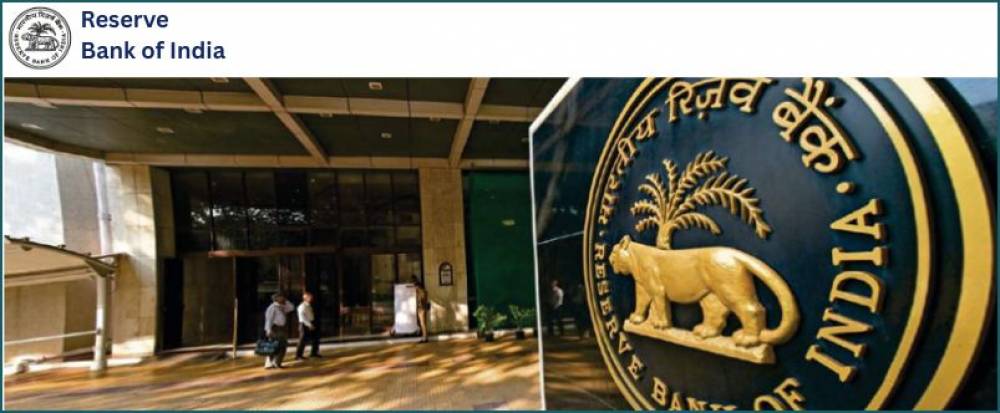
The Reserve Bank of India, abbreviated as RBI, has imposed a monetary penalty on three banks, i.e., Salem Urban Co-operative Bank, Kolhapur District Central Co-operative Bank and District Co-operative Central Bank for non compliance with RBI guidelines. Keep reading to check out the exact reasons why these banks faced monetary penalties from the central bank.
Why did RBI impose Penalty on Salem Urban Co-operative Bank?
On 26 December 2025, the RBI had issued an order to impose a monetary penalty of Rs. 50,000 on Tamil Nadu’s Salem Urban Co-operative Bank Limited located. This penalty was imposed due to bank's non compliance with certain directions that were outlined by the RBI concerning the Framework for Compromise Settlements and Technical Write-offs. The RBI exercised its authority under Section 47A(1)(c) in conjunction with Sections 46(4)(i) and 56 of the Banking Regulation Act 1949.
The central bank conducted a statutory inspection of the bank. It was done with a focus on its financial status as of 31 March 2025. On the basis of the findings related to non compliance with RBI directives and subsequent correspondence, a notice was issued to the bank requiring it to explain why a penalty should not be imposed for its failure to comply with the specified directions.
After reviewing the bank’s response and the oral arguments presented during a personal hearing, the RBI determined that one of the charges against the bank was upheld, necessitating the monetary penalty: The bank had approved non agricultural loans to members who had previously entered into compromise settlements. It failed to observe the mandated minimum cooling period.
Why did RBI impose Penalty on District Co-operative Central Bank?
Another bank that RBI imposed a penalty on, on 26 December 2025, was the District Co-operative Central Bank situated in Warangal, Telangana. The central bank imposed a monetary penalty of Rs. 1 lakh on this bank. The reason for the penalty was due to violation provisions of Section 20 in conjunction with Section 56 of the Banking Regulation Act, 1949. This penalty was imposed under powers granted to RBI by Section 47A(1)(c) read along with Sections 46(4)(i) and 56 BR Act. A statutory inspection of the bank was conducted by NABARD. It was done with a focus on its financial position as of 31 March 2025.
On the basis of supervisory findings that identified violations of statutory provisions, the RBI issued a notice to the bank asking it to provide reasons why a penalty should not be imposed for its non compliance. Upon the review of the bank’s response to the notice and considering oral submissions made at the time of personal hearing, the RBI concluded that one significant charge against the bank was upheld, which justified the imposition of the monetary penalty: the bank had sanctioned loans related to its directors.
Why did RBI impose Penalty on Kolhapur District Central Co-operative Bank?
The central bank, on 22 December 2025, imposed Rs. 2.10 lakh monetary penalty on Kolhapur District Central Co-operative Bank, Maharashtra. The penalty was imposed on the bank for contravention of provisions of Section 20 read with Section 56 of the Banking Regulation Act 1949.
The central bank imposed this penalty by exercising its powers under the provisions of Section 47A(1)(c) read with Sections 46(4)(i) and 56 of the BR Act. NABARD had conducted the bank statutory inspection with reference to bank’s financial position as on 31 March 2024. Following the supervisory findings that indicated violations of statutory provisions and related correspondence, a notice was issued to the bank requiring it to explain why a penalty should not be imposed for its failure to comply with these provisions.
Upon the review of the bank’s response to the notice as well as additional submissions and oral arguments presented during a personal hearing, the RBI determined that one specific charge against the bank was upheld. It justified the imposition of a monetary penalty. The charge involved the bank granting a loan to a company for which one of the bank's Directors acted as a guarantor.
Comments
No comments yet.
Leave a Comment