Download PDF (gst reforms.pdf)
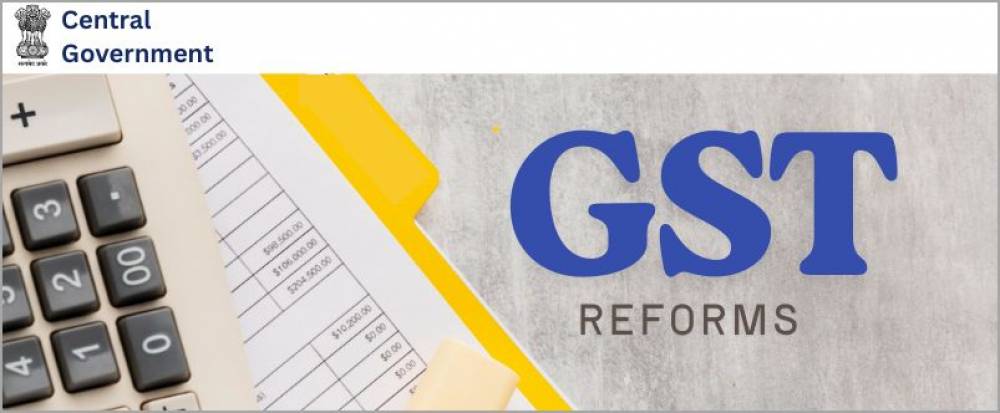
The central government has circulated a blueprint for the next-generation Goods and Services Tax (GST) reform - a move that could significantly change the way India consumes and pays taxes.
Central to this proposal is a simple two-rate structure consisting of rates of 5% and 18%, along with the introduction of a new 40% slab for ‘sin goods’ like pan masala and gutkha.
Proposal to Collapse Four-Slab Structure into Two Principal Rates
The Centre has proposed to collapse the prevailing four-slab structure into two principal rates, as per the government sources.:
The existing 28% slab will be removed, and a new 40% slab will be implemented ‘exclusively’ for sin and luxury goods.
Goods Expected to Become Cheaper
Household goods and insurance premiums could become cheaper. Several items are anticipated to slide from present 12% to 5%. The following items are likely to fall in 5% slab:
-
Namkeen, exercise books, stationary and dairy essentials.
-
Footwear, eyewear, apparel, toothpowder and bicycles.
-
Butter, ghee and packaged food.
Additionally, medicines and medical equipment could also witness a fall in their tax rates from current 12% to 5% or nil.
The individuals could get a significant relief for premiums for health and life insurance. These premiums currently attract an 18% tax rate. However, under the proposal, these premiums may drop to 5% or nil and will reduce household expenses for the middle class. Additionally, the government also intends to correct inverted duty structures in textiles and fertilizers that would offer additional relief to farmers as well as consumers.
Focus on Consumer Durables and Automobiles
The new GST blueprint targets consumer durables as well as automobiles. It implements reductions in several key categories like the following:
-
TVs, Refrigerators, Air Conditioners and Cement: Reduced from 28% to 18%.
-
Two-Wheelers Below 350cc: Reduced from 28% to 18%.
-
Small Cars with Engine Sizes Under 1200cc: Reduced from 29–31% (incl. GST and cess) to a flat rate of 18%.
-
Hybrid Passenger Vehicles: Reduced from 28% to 18%.
40% Sin Goods Slab
While most goods are set to become cheaper under the new blueprint, the sin and luxury goods will attract higher taxes. The proposed 40% slab is expected to become applicable for the following items:
-
Pan masala, gutkha and tobacco products.
-
Luxury cars and SUVs.
-
Online gaming, which could increase from 28% to 40%.
What Do the Expects Say?
Partner at Dhruva Advisors LLP, Mr. Kulraj Ashpnani, has called the GST proposal a structural reset. He said, “The shift to a two slab GST is more than rate rationalisation, it’s a structural reset aimed at reducing classification disputes, correcting inverted duty structures, and giving industry the long-term certainty it has been seeking.”
Further, he added that, “By lowering taxes on essential and aspirational goods, the proposed GST revamp puts money back into the pockets of the common man, boosts consumption, and makes growth more inclusive. Next-generation GST reforms, from simplified registration, pre-filled returns to faster refunds, underline the government’s focus on ease of doing business, particularly for startups, exporters and MSMEs. This proposal is not just about tax rates; it’s about evolving GST into a simple, stable, and transparent system that supports inclusive growth and strengthens India’s journey towards Atmanirbhar Bharat.”
Celebrity Chef Mr. Harpal Singh Sokhi highlighted concerns for the hospitality industry. He said, “Restaurant owners would benefit only if the 12% slab of vegetables, food products is bought down to 5% and not increased to 18%. We are also further hoping that the GST charged on rents is bought down to 5% from the current 18%.”
Additionally, he said, “Some hoteliers are confused because a product sold in a restaurant draws 5% GST but the moment it is packaged into a box it attracts 18%. GST slab in a hotel draws 5%, 12% and 18% depending on goods, it would be a happy situation to see all that fall under 5% category, wishful thinking here. Further, hotels get input set off and restaurants don’t get the same.”
What Happens Next?
The Group of Ministers will convene a meeting to deliberate on the proposals upon which the final decision will rest with the GST council. As per the officials, the GST reforms would serve as a Diwali Bonanza and align with PM Modi’s Independence Day speech where he hinted at a simplified GST regime for making essential and aspirational goods more affordable while increasing levies on sin goods.
Source: CNBCTV18
Comments
No comments yet.
Leave a Comment