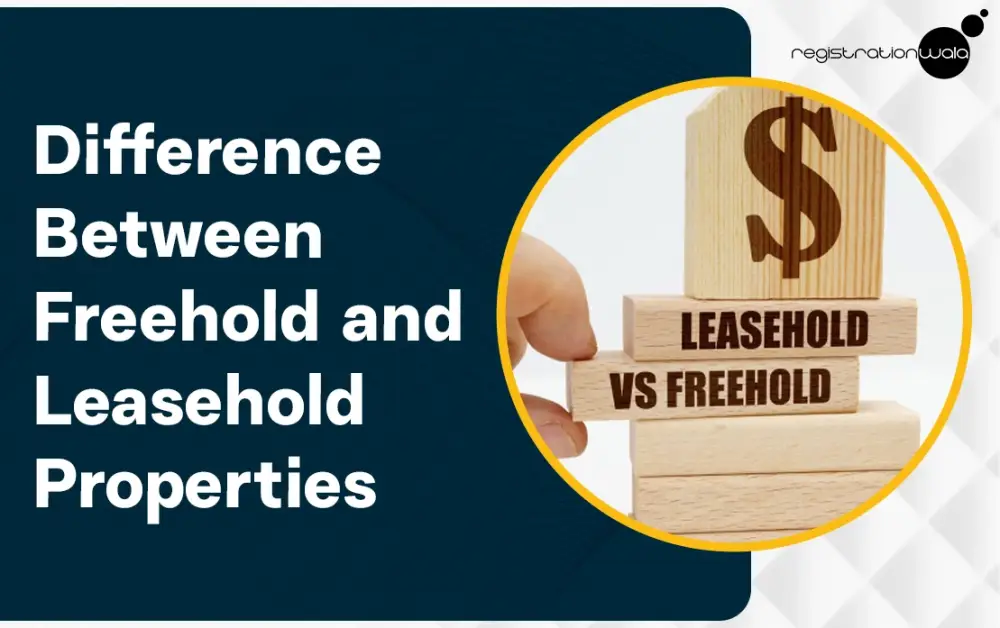
Whenever you check out property platforms to buy real estate, you often come across the terms “freehold” and “leasehold.” Understanding the difference between these two terms is very important as it affects your ownership rights, costs and control over the property in long run. On one hand, a freehold property means you, as the owner, fully own the property as well as land it is built on. Therefore, you get to enjoy complete control and your ownership does not expire after a certain period.
On the other hand, a leasehold property means you own the property only for a fixed lease period. However, the land belongs to someone else (i.e., usually a government authority or a developer). So, after the lease period ends, the ownership may return to original owner unless it is renewed.
Freehold properties in Delhi are quite common. However, in Noida, many properties are leasehold properties. In this blog post, we shall discuss leasehold and freehold difference in the context of India, in a detailed manner. Once you go through this post, you will be able to decide whether free hold or lease hold property is right for you!
What is Freehold Property?
Freehold property meaning can be explained as a property that grants the owner absolute, perpetual and unconditional ownership of the land as well as any structures on it. It means that the property has no time-bound lease or any superior landlord to whom the property needs to be returned. No ground rent needs to be paid by the freehold property-owner. Mostly, the houses in India are freehold. However, when we talk about the apartments, they are usually leased, especially when we talk about Delhi NCR.
Usually, a freehold property is more expensive than a leasehold property. The freehold property owners are the exclusive owners of the houses and can live in them as long as they desire. They have the right to make any changes in the house or redo some of the house parts if they feel the need to do so. However, they might need special permission for certain structural changes, especially if their house is old.
What is Leasehold Property?
Leasehold property means a property that grants the owner temporary, exclusive possession of the structure for a fixed predetermined period without owning the underlying land. The lease period typically ranges from 30 to 99 years. The land of the leased property remains under the control of the original owner to whom the leaseholder pays ground rent. The leaseholder must abide by lease terms mentioned under the lease agreement.
The leaseholders have the right to live in the property for the period mentioned in the lease agreement. During the lease period, they must pay the ground rent to the land owner. After expiry of this period, the property ownership is given back to the owner. While purchasing the property, knowing the lease period is essential. The lease period can usually be extended/renewed but for that, you need to pay money.
Freehold vs Leasehold Property: Key Differences
The difference between freehold vs leasehold property is explained in the table provided below. Once you understand all the differences, you will be able to decide which one is ideal for you easily.:
|
Parameter
|
Freehold Property
|
Leasehold Property
|
|
Definition
|
Freehold property is a real estate property that provides the property owner with unconditional and permanent ownership of the land as well as the building constructed on it.
|
Leasehold property is a real estate property that grants ownership of the building/structure to the leaseholder for a fixed term, while the land remains with the original property owner, which is usually the government or an authority.
|
|
Tenure
|
The ownership does not have a fixed tenure; it is everlasting.
|
The tenure ranges from 30 years to 99 years. After this period, the ownership goes back to original land owner until and unless lease renewal takes place.
|
|
Ownership Rights
|
The owner has complete control over the property. They can alter, rebuild, sell or transfer their property freely, subject to prevailing local rules.
|
The leaseholder has limited rights as compared to freeholder. They usually require permission from the original owner to renovate, transfer or make modifications in the property.
|
|
Costs
|
No charges like ground rent or service charges need to be paid.
|
Ground rent and service charges are usually applicable in case of leasehold properties.
|
Conclusion
Before purchasing a property, don’t forget to check whether it’s freehold or leasehold. Proceed further only if you’re comfortable with ownership rights, terms and conditions of the property agreement and long term financial commitments pertaining to property. Generally, individuals opt for freehold properties for long-term living and legacy. On the other hand, individuals who prefer low upfront costs and prime locations often go for leasehold properties instead.
If you want to start a real estate firm and you need assistance in RERA registration, you can get in touch with Registrationwala’s RERA consultants!
Frequently Asked Questions (FAQs)
Q1. How to convert a property that is leasehold to freehold property?
A. To convert leasehold property to freehold one, you need to submit application to land owner. Make sure you pay outstanding lease rent prior to making an application to increase approval chances. If the owner gives their approval for application, you must pay conversion charges as well as register a conveyance deed. However, if the land owner rejects the application, you cannot proceed with conversion.
Q2. What is property lease?
A. Property lease meaning can be explained as a legally binding contract where land owner agrees to lease their property to leaseholder for a specific predetermined period in exchange for a sum of money.
Q3. Does freehold property need to be renewed?
A. No, unlike the leased property, a freehold property does not require renewal.
Q4. Do freehold property owners need to pay ground rent?
A. No, unlike leased property owners, the freehold property owners do not need to pay ground rent to anyone.
Q5. What is lease agreement?
A. Lease agreement is same as property lease. It is a legally binding agreement/contract where land owner agrees to lease their property to leaseholder for specified period in exchange for payment.
Q6. What happens if a leaseholder fails to pay ground rent to the land owner?
A. Non-payment of ground payment is treated as a breach of contract. It can result in legal action, heavy penalties and risk of forfeiture.
Disclaimer:- We have tried our best to provide our readers with the most accurate and up to date information in this article. However, we cannot guarantee 100% completeness/accuracy of the information we have provided. This content is meant for informational purposes only. We do not advise our readers to make financial, investment or other decisions based on this article and recommend them to verify with official sources.