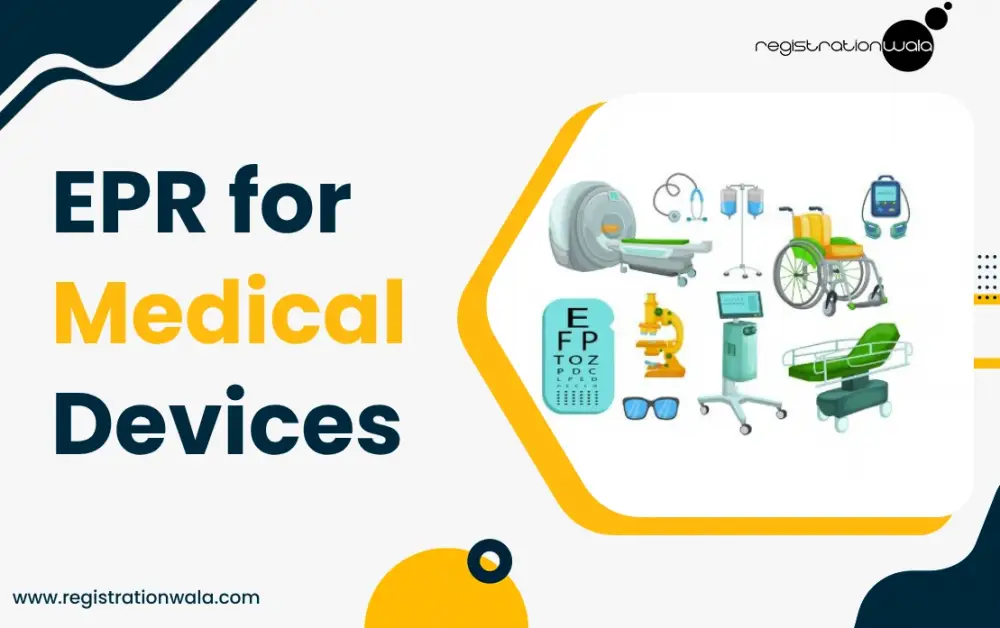
Extended Producer Responsibility (EPR) for medical devices is a policy that makes producers, importers and brand owners responsible for their products throughout their entire life cycle. It mainly focuses on safe collection, recycling and disposal of medical equipment.
This system is important for proper waste management, following regulations and protecting the environment. In this blog, we shall discuss EPR for medical devices in the context of India in a detailed manner.
What is EPR for Medical Devices?
EPR for medical devices is a framework that makes producers, importers and brand owners responsible/accountable for their products throughout their entire lifecycle, from the design stage to their disposal once they are no longer in use.
Under this system, producers are required to ensure the proper collection, recycling and safe disposal of their products after they become waste. The EPR framework is essential for management of the increasing amount of electronic and medical waste.
Why is EPR necessary for Medical Devices?
EPR is quite necessary for medical devices. The necessity of this framework can be understood with the help of the following points:
-
With the increasing demand for medical devices, the risk of improper disposal is also rising. Improper disposal of medical devices can lead to pollution as well as health hazards. Therefore, the proper implementation of EPR is quite essential to deal with these concerns.
-
EPR registration helps producers, importers and brand owners comply with environmental regulations as well as government requirements. By securing this registration, the PIBOs can reduce the chances of having to face legal issues and penalties while promoting responsible waste management.
-
By ensuring waste handling in a well structured manner, EPR framework reduces landfill waste as well as promotes recycling. It makes sure that medical devices are disposed of/repurposed in a manner that is environmentally sound.
-
EPR adoption showcases how committed a company is when it comes to sustainability. This can strengthen the company’s brand image and also seem appealing to customers who are environmentally conscious.
-
Effective management of medical waste under EPR can help minimize long-term disposal costs associated with medical wastes. It can reduce financial burden. At the same time, it is critical for maintaining regulatory compliance for businesses.
-
By ensuring that medical devices are properly collected, recycled and disposed of by PIBOs in a proper and systematic manner, EPR helps reduce pollution, conserve natural resources and support a healthier environment.
EPR Rules governing Medical Devices
For ensuring compliance with environmental laws and responsible medical waste management, the PIBOs must adhere to prevailing EPR framework for medical waste. It is important to note that there is not a single dedicated EPR framework for medical devices. Instead, there are several EPR rules that govern such devices depending on their material composition. Below, we have explained the key EPR rules that govern medical devices in India.:-
-
Plastic Waste Management Rules, 2016:- These rules mandate proper management of plastic waste. Many medical devices contain plastic components. When the plastic components of such devices are no longer needed, their recycling/disposal must be handled in accordance with plastic waste management rules. These rules were last amended under Plastic Waste Management Amendment Rules 2026, that came into effect on 1 April 2026.
-
E-Waste Management Rules, 2016:- These rules apply to electrical components. They mandate that the electronic waste must be properly collected, handled and recycled. The PIBOs of medical devices with electronic equipment must ensure their products are disposed of in an environmentally friendly manner in accordance with these rules.
-
Biomedical Waste Management Rules, 2016:- These rules outline segregation, storage and treatment of waste from medical devices so as to avoid contamination of the environment and hazards to public health.
Conclusion
EPR for medical devices framework is necessary to ensure environmentally sound management of medical devices. It holds the PIBOs of such devices accountable for their collection, channelization, recycling and final disposal in compliance with regulatory norms. If you need assistance with EPR registration or post-registration compliance requirements, you can get in touch with Registrationwala.
Apply for EPR Registration
Also Read: CDSCO Registration for ENT Medical Devices
Frequently Asked Questions (FAQs)
Q1. Do the producers of medical devices need to adhere to the EPR framework?
A. Yes, the producers of medical devices need to adhere to the EPR framework.
Q2. What is biomedical waste?
A. According to the Biomedical Waste Management Rules, 2026, the biomedical waste means “any waste, which is generated during the diagnosis, treatment or immunization of human beings or animals or research activities pertaining thereto or in the production or testing of biological or in health camps.”
Q3. When did the Plastic Waste Management Rules 2016 come into force?
A. The Plastic Waste Management Rules 2016 came into force on 18 March 2016.
Q4. When did the E-Waste Management Rules 2016 come into effect?
A. The E-Waste Management Rules 2016 came into effect on 1 October 2016.
Q5. When did the Biomedical Waste Management Rules 2016 come into effect?
A. The Biomedical Waste Management Rules 2016 came into effect on 28 March 2016.
Q6. Which EPR regulations govern medical devices?
A. There is no single dedicated EPR regulation governing the medical devices. Instead, EPR obligations apply based on material composition of such devices. For example, plastic components of such devices are regulated under Plastic Waste Management Rules while electronic components of such devices fall under E-Waste Management Rules. Biomedical Waste Management Rules govern the safe handling, treatment and disposal of infectious medical waste coming from such devices.
Q7. What is plastic waste?
A. According to the Plastic Waste Management Rules, 2016, plastic waste means “any plastic discarded after use or after their intended use is over.”
Q8. Which Ministry notifies the EPR regulations in India?
A. The Ministry of Environment, Forest and Climate Change (MoEF&CC) notifies EPR regulations in India.
Disclaimer:- This blog post is meant for educational purposes only. While the author has made every effort to provide our readers with accurate as well as complete information in this post, we cannot guarantee its full accuracy or completeness. Therefore, we suggest the readers verify with official sources before they make any decisions. Information provided in this content should not be regarded as professional, academic, business, financial or legal advice in any manner whatsoever.