India’s plastic consumption amounts to 13 million tons of plastic every year, according to Bisleri. Out of this, 60% of the plastic gets recycled. The remaining 40% plastic cannot be recycled as it mostly contains non-recyclable items like wrappers, plastic bags, milk pouches and multilayer chips packets.
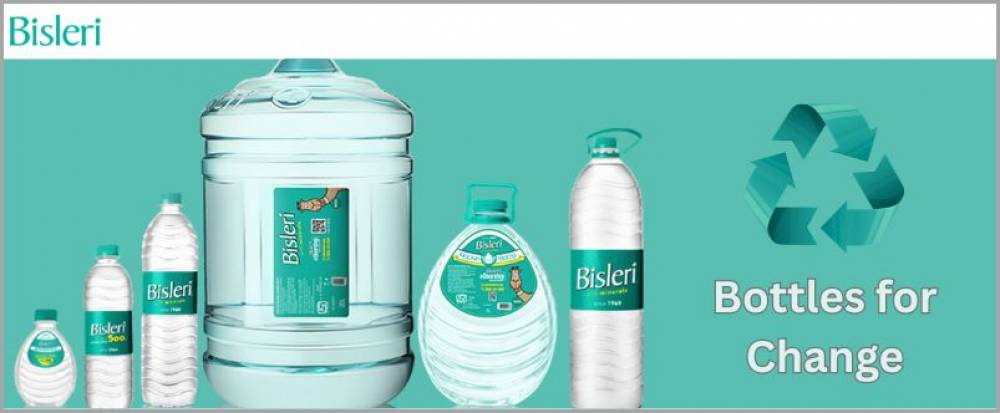
Bisleri has introduced a program called ‘Bottles for Change’ initiative to reduce the amount of plastic that ends up in landfills and water bodies while promoting sustainability. This program includes a mobile app designed to connect citizens, plastic collection agents and recyclers to enhance plastic recycling efforts in India.
At Mint Sustainability Summit 2025, K. Ganesh, director - sustainability & corporate affairs at Bisleri International, said under the initiative, Bisleri collected and recycled approx. 19,300 tons of plastics.
He said, “The plastic once used should be disposed and sent for recycling.” He mentioned that this doesn't happen because people mostly litter plastic after consumption, which then goes to the landfill or oceans.
Promotion of Circular Economy
K. Ganesh said, “Our plastic waste management program educates and empowers citizens to practise source segregation, responsible disposal of post-consumer plastic, and to ensure all used plastic is sent for recycling to promote a circular economy, thus eliminating plastics from landfills and reaching our oceans.”
He added, the company also has an app for the initiative, through which it collects used plastics from registered stakeholders and channels them to recycling facilities. In these facilities, the bottles are then transformed into new items and even reborn as bottles again. Multilayer plastics are repurposed into durable plastic sheets to make sure every piece gets a second life.
According to Ganesh, all PET (polyethylene terephthalate) bottles used by Bisleri and other beverage companies can be recycled and transformed into fiber yarn, which can then be used to create fabric and clothing materials. Additionally, PET bottles can be recycled to produce rPET (recycled PET), which is ideal for making food-grade packaging bottles. This process reduces the strain on natural resources.
Government regulations concerning extended producer responsibility (EPR) require producers, importers and brand owners (collectively known as PIBOs) to manage the post consumer waste of their products. In India, this requirement falls under Plastic Waste Management Rules 2016. These rules include mandatory EPR registration, EPR action plans’ submission, achieving annual recycling targets and giving reports on the recycling efforts.
The main goal of these regulations is to promote a circular economy, reduce waste and make sure there’s environmentally responsible disposal of products like plastic packaging, electronic waste and batteries. Bisleri has also taken the initiative to collect bottle caps and recycle them into benches.
In the words of Ganesh, “The benches are made with 60 kgs of only our caps. We haven't used any pigments or any colour. Through this we are collecting all our caps, which has been used in our manufacturing facilities.”
Need assistance in ensuring EPR compliance? Connect with our experienced EPR consultants at Registrationwala!
News Source: LiveMint
Comments
No comments yet.
Leave a Comment