The Extended Producer Responsibility (EPR) framework in India was first introduced through Batteries (Management and Handling) Rules, 2001. However, the concept gained wider recognition through introduction of E-Waste (Management and Handling) Rules, 2011. Under Plastic Waste Management Rules, 2016, the concept was further strengthened.
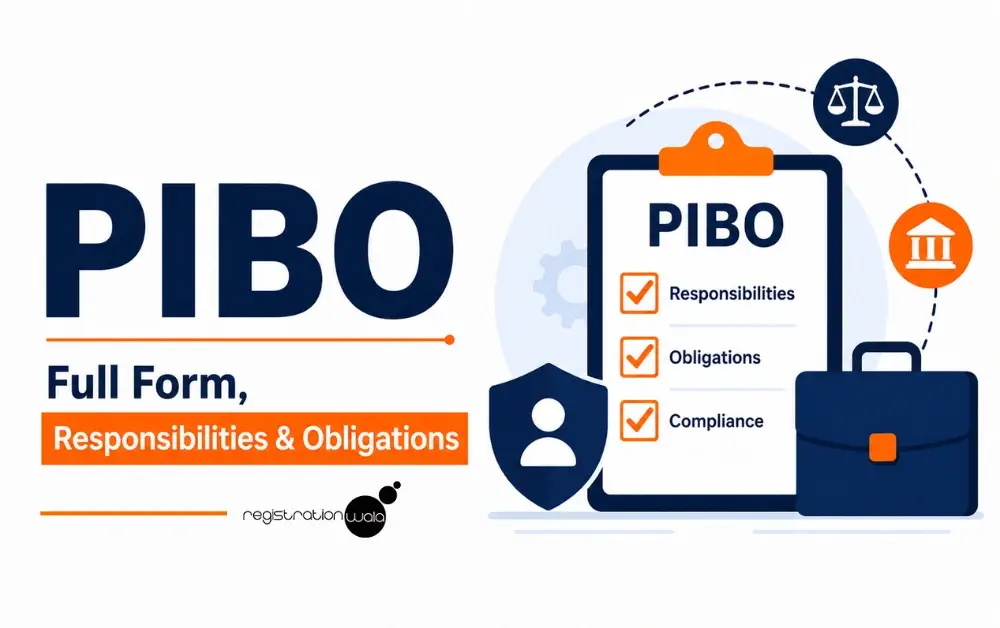
The EPR framework has been transforming the way waste gets managed in India. It places responsibility on businesses to manage environmental impact of their products throughout their lifecycle, including their collection and disposal after they're no longer of any use to consumers. At heart of this framework are PIBOs. The full form of PIBO in EPR is Producer, Importer and Brand Owner.
The term is commonly used under India’s EPR framework to collectively refer to business entities that have legal responsibilities for managing waste generated from products they introduce into market. Depending on applicable EPR regulations, these responsibilities may cover plastic waste, e-waste, battery waste and used oil among other regulated waste streams.
The full form of PIBO in EPR is Producer, Importer and Brand Owner. These are businesses that are required to fulfill certain waste management requirements under EPR framework. Below, we explain what Producer, Importer and Brand Owner mean, one by one:-
-
Producers:- Under the EPR framework in India, the producers are basically companies that manufacture regulated goods/packaging, such as plastic products, electronics or batteries.
-
Importers:- Importers are businesses that bring EPR-regulated products/goods/packaged materials into India from overseas.
-
Brand Owners:- Brand owners refer to companies that sell products under their own brand name. This is the case even when manufacturing is carried out by another company.
Under EPR framework, PIBOs are expected to take responsibility for waste generated by products they place in market. Their role does not end after manufacturing, importing or selling a product. They are also required to ensure that waste generated once the product reaches the end of its useful life is properly managed. For businesses, it is quite imperative to understand whether they fall under PIBO category and comply with EPR requirements that apply to them. Failure to meet these obligations can lead to regulatory action, penalties and disruptions to business operations.
At the same time, proper EPR compliance can improve a company’s reputation by showing its commitment towards sustainable practices and the circular economy. It can also create a positive impression among consumers who prefer to purchase goods from environmentally responsible brands.
Responsibilities & Obligations of PIBOs under EPR Framework
Under the EPR framework, the PIBOs have certain responsibilities and obligations to fulfill. Some of the core responsibilities are explained below:-
(a) EPR Registration via CEPR Portal
All the PIBOs must register on the Common EPR portal managed by the Central Pollution Control Board (CPCB). They must register for each applicable waste stream like tyre waste, battery waste, plastic waste, etc. During the registration process, certain documents need to be uploaded on portal, such as PAN, GST, company registration certificate, etc.
Additionally, the applicant must provide an EPR action plan that explains how they plan to meet the targets. While filing the application, the applicant has to pay the applicable EPR registration fee, which varies by waste type as well as business size.
Failure to obtain EPR registration can lead to fines and penalties. In certain cases, the non-compliant entity can even get blacklisted. Therefore, it is important for businesses covered under the EPR framework to obtain the required registration and fulfil their applicable responsibilities.
(b) Fulfilling Category-Wise EPR Targets
PIBOs are responsible for meeting the waste collection and recycling targets applicable to their products. These targets can differ depending on type of product as well as the exact EPR rules that apply to it. For example, targets under Plastic Waste Management Rules are different from those under E-Waste Management Rules.
For rigid plastic packaging under Category I, businesses are required to meet prescribed recycling and recycled-content targets. These targets increase over applicable target years. Reuse obligations for rigid plastic packaging may also apply and increase depending on category. Under E-Waste rules, the producers are required to meet collection and recycling targets based on quantity of electrical and electronic equipment placed in the market.
The Battery producers must meet prescribed collection and material recovery targets. These targets vary based on type of battery, including EV and portable batteries. Under new EPR framework for non ferrous metals w.e.f 1 April 2026, the entities dealing with materials such as aluminium, copper and zinc are required to meet recycling targets that increase gradually.
(c) Setting Up Appropriate Systems
In order to meet recycling and reuse obligations, PIBOs need to set up proper systems. For recycling, they can work with CPCB registered recyclers so as to ensure the waste gets properly processed, such as plastic being converted into recycled material or metals being recovered from e-waste.
For reuse, they may need to set up take-back or collection systems, depending on product and rules that apply to them. In cases where recycled content is mandatory, PIBOs also need to use required amount of recycled material in their products. PIBOs can also use EPR certificates or credits, wherever allowed, to meet their recycling obligations.
(d) Maintaining Records and Reporting
The PIBOs must document quantities of the products/packaging they have introduced in the market. They must also maintain a record of waste collected and recycled using the prescribed EPR forms.
By 30 June each year, entities must submit their annual returns for previous financial year via CPCB CEPR portal. Failure to submit returns correctly or delays in submission can result in fines or penalties.
Conclusion
The full form of PIBO is Producer, Importer and Brand Owner. The PIBOs are key entities responsible for fulfilling various obligations under EPR framework in India. Their responsibilities, among others, are obtaining EPR registration via CEPR portal, meeting recycling and collection targets, setting up waste management systems and submitting annual returns by due date.
Whether you need assistance with EPR registration or post-registration compliance, we at Registrationwala are always ready to help you. Whether it’s registration or compliance requirements for plastic waste management, battery waste, e-waste, tyre waste, used oil or non ferrous metal EPR, our team can assist you at every step to help you stay fully compliant with EPR rules as well as regulations.
Frequently Asked Questions (FAQs)
Q1. What is PIBO full form in EPR?
A. Under the EPR framework, PIBO full form is Producer, Importer and Brand Owner.
Q2. On which portal do the PIBOs with EPR obligations need to register?
A. PIBOs with EPR obligations must register on the Common EPR portal, a.k.a CEPR portal.
Q3. Is EPR registration mandatory for importing regulated products?
A. Yes. EPR registration is mandatory for importers dealing with products covered under EPR rules. This includes plastic packaging, electrical and electronic equipment, batteries, waste tyres and used oil.
-
Published: September 03, 2026
338 Views