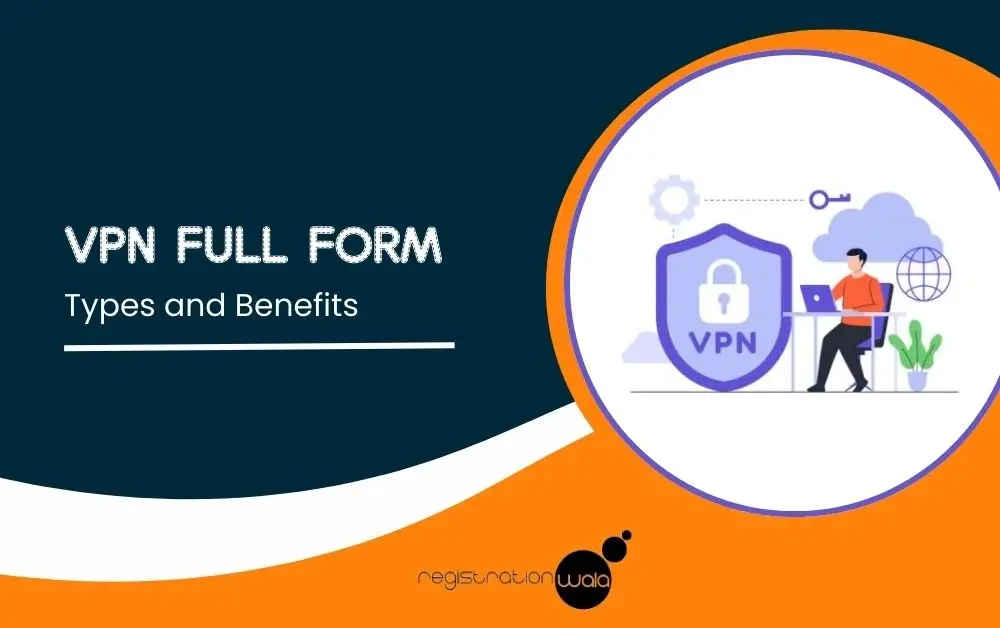
VPN full form is Virtual Private Network. It is a technology that secures the data transmitted between your device and a remote server. It helps to protect your data and maintains privacy. In 1996, Microsoft and other tech companies developed the first widely adopted VPN protocol known as PPTP (Point-to-Point Tunneling Protocol).
VPN full form is Virtual Private Network. VPN meaning can be explained as a technology that establishes a safe, encrypted connection between your device and the internet. In order to protect your data and privacy from potential cyber threats, it conceals your actual IP address.
This technology enables you to securely connect to public Wi-Fi networks, which might otherwise jeopardize your data. Additionally, by passing your connection through servers in different places, a VPN allows you to access content that might be blocked in some areas.
The VPN technology started to take shape in the middle of the 1990s. PPTP (Point-to-Point Tunneling Protocol), the first widely used VPN protocol, was created in 1996 by a group of tech companies that included Microsoft. It was intended to establish safe, encrypted tunnels across open IP networks.
What are the Types of VPN?
The different types of VPN are as follows:
-
Site-to-Site VPN: It is a VPN connection between two or more separate networks over the internet.
-
Cloud VPN: It connects users to cloud-based resources, data and applications.
-
SSL VPN: SSL VPN full form is Secure Sockets Layer Virtual Private Network. It allows authorized users to securely access corporate applications, data and internal network resources from any remote location.
-
Remote access VPN: It allows remote users to connect to a private, central network remotely using a VPN.
-
Double VPN: It is an advanced VPN security feature. It routes internet traffic through two VPN servers, instead of one, and encrypts data twice.
What are the Benefits of VPN?
The benefits and advantages of VPN are stated below:
-
Your internet traffic is encrypted and kept safe by a VPN. As a result, it helps in preventing hackers from accessing private information, particularly when using unprotected public Wi-Fi networks.
-
VPN conceals your actual location and IP address. Because of this, it is difficult for websites, advertisers and other unauthorized third parties to monitor your online activity or create a profile about you.
-
The ability of a VPN to get around regional limitations is another benefit. This implies that you might have access to websites, streaming services or content that aren't typically available where you are.
-
Corporate workers can also benefit greatly from VPNs. They enable safe and effective remote work by allowing employees to safely access corporate networks from various locations.
It is important to remember that you should always VPNs in a responsible manner and only for legal and ethical purposes.
What are the Top 10 VPN in India?
According to the author, the top 10 VPN in India are as follows:
-
NordVPN
-
Surfshark
-
ExpressVPN
-
Mullvad VPN
-
Proton VPN
-
IPVanish
-
PrivadoVPN
-
Windscribe
-
Astrill VPN
-
Norton VPN
If you are planning to download a VPN, make sure you only download it from a trusted source. It is also advised to do some research before deciding which VPN to download.
Final Words
As you know by now, VPN full form is Virtual Private Network. It is a secure technology used by internet users to conceal their IP address and protect data from hackers, internet service providers and snooping on public Wi-Fi. It is an essential tool in the digital era as it maintains online privacy as well as security. You can download VPN app from the Play Store, Apple Store or any other reliable source if you want to use it on your smartphone. But you have to be careful to use it ethically and legally and only for the right reasons. It's crucial to use VPNs responsibly because misuse can result in legal problems or violate regulations.
Frequently Asked Questions (FAQs)
Q1. What is VPN full form?
A. VPN full form in computer is Virtual Private Network. It is a technology that helps internet users to secure their privacy and data.
Q2. What is the purpose of VPN?
A. VPN’s purpose is to protect online privacy and data of the internet users from hackers and other third parties like internet service providers.
Q3. What is the difference between VPN and VPS?
A. The difference between VPN and VPS lies in the fact that a VPN secures and encrypts your internet connection for ensuring privacy while a VPS provides a dedicated, virtual server used for hosting websites, applications or services.
Q4. What are the top 10 VPN in India?
A. According to the author’s opinion, the top 10 VPN in India are: NordVPN, Surfshark, ExpressVPN, Mullvad VPN, Proton VPN, IPVanish, PrivadoVPN, Windscribe, Astrill VPN and Norton VPN. They’re some of the best VPNs in India, according to the author.
Q5. Can VPNs be used on smartphones?
A. Yes, VPNs can be used on Android and iOS smartphones. You can download the VPN from Play Store or Apple Store.
Q6. What are the different types of VPNs?
A. The different types of VPNs include Site-to-Site VPN, Cloud VPN, SSL VPN, Remote access VPN and Double VPN.
-
Published: March 14, 2026
775 Views