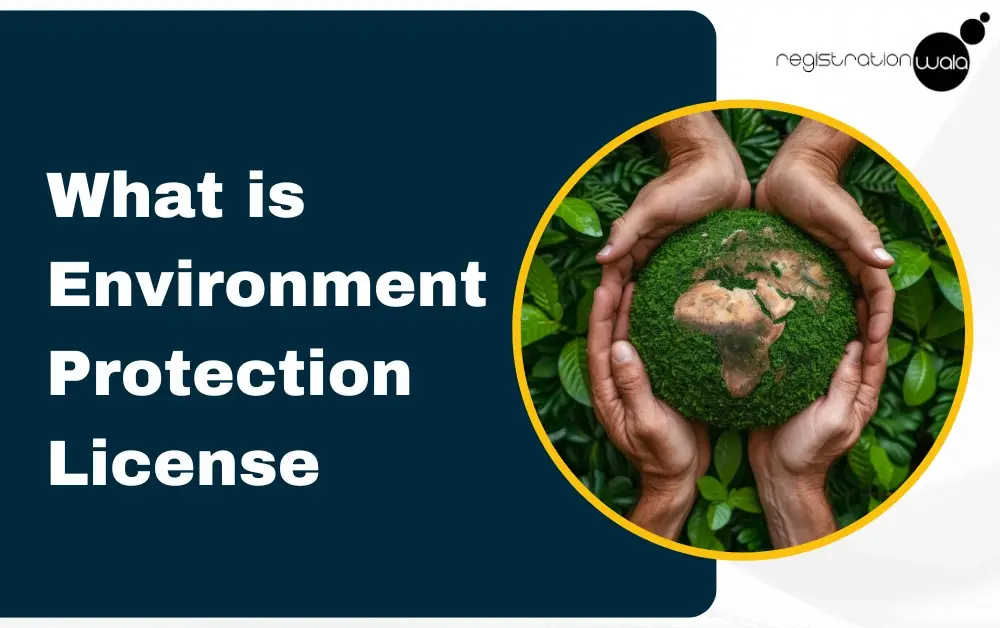
As one can tell from the name, an Environment Protection License is a document intended to protect the environment. However, there is not one single Environmental Protection License. Rather, there are several types of environment protection licenses issued by different authorities to meet different compliance requirements.
In this blog post, we shall explain to our readers what the environmental protection license is, sectors requiring this license and the different types of environment protection licenses issued in India.
Environment Protection License Meaning
An Environment Protection License, also sometimes called Environmental Compliance Certificate, is a legal document issued by a government authority to a business to ensure such a business complies with applicable environmental laws and regulations.
Usually, this document is granted upon a rigorous assessment of the environmental impact of the proposed business activity. Additionally, it imposes certain conditions on the business so as to prevent pollution, conserve natural resources and protect public health.
Sectors Requiring Environment Protection Licence
Here is the list of some sectors/industries that usually require environment license :-

-
Thermal power sector.
-
Petrol refineries’ sector.
-
Pulp and paper industry.
-
Gold mining sector.
-
Diamond/Coal mining sector.
-
Chemical manufacturing industry.
-
Iron and steel manufacturing industry.
-
Hazardous waste treatment and disposal units.
-
Alcoholic production industry.
-
Fermentation industry.
-
Cement manufacturing sector.
-
Plastic manufacturing sector.
-
Jaggery industry.
Benefits of Environmental Protection License
Here are the benefits of environmental protection license :-
-
It helps businesses to operate legally while ensuring compliance with the environmental laws.
-
It reduces the harmful impact of industries on the environment.
-
This license helps businesses to improve their reputation as they operate in a sustainable manner.
-
It builds trust among customers who are environmentally conscious.
Types of Environment Protection Licenses
Below, we have provided you with the list of different types of environment protection licences and certificates. :-
(a) Consent to Establish (CTE)

The CTE license, or CTE certificate, is an initial environmental clearance. It needs to be obtained prior to starting construction or installing machinery. It is basically a No Objection Certificate for Pollution Control. This document sets standards for industries and helps to prevent water/air pollution. The State Pollution Control Board (SPCB) is responsible for issuance of CTE.
(b) Consent to Operate (CTO)
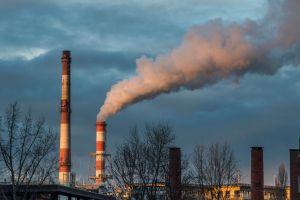
The CTO certificate, or CTO license, is a mandatory environment permit. This license needs to be obtained by a business to legally commence production. It ensures that the business has appropriate pollution control systems for air, water and noise pollution. The SPCB is responsible for issuance of CTO.
(c) Groundwater Extraction Licence
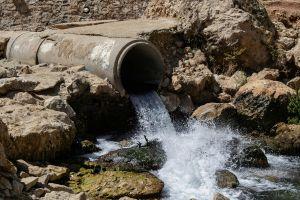
This license is a legal permit that allows the industries, large projects and infrastructure to abstract groundwater using water pumps. It ensures the process is done in a sustainable manner and prevents overextraction of water. It is issued by the State Pollution Control Boards in accordance with the guidelines notified by the Central Pollution Control Board.
(d) Environmental Impact Assessment License

Environmental Impact Assessment License is a type of environmental protection license. It needs to be obtained by developers of development projects having a potential for significant environmental impact. It must be acquired before commencement of construction of the development project.
(e) EPR License

EPR full form is Extended Producer Responsibility. This refers to the legal obligation of Producers, Importers and Brand Owners (PIBOs) of products such as plastic packaging, oil waste, electronic waste (e-waste), batteries and tires. These entities are responsible for collecting, recycling and ensuring the environmentally friendly management of the post consumer goods they place on the market once such products are no longer needed by the consumers.
The EPR approach shifts the burden of waste management from consumers and municipalities back to the source, i.e., PIBOs. In India, all the PIBOs must obtain an EPR license from the Central Pollution Control Board (CPCB). This license needs to be renewed periodically and must comply with all the recycling targets and reporting requirements set forth by CPCB.
Conclusion
The environmental clearance license is essential for businesses. It ensures that the businesses comply with the environmental laws and prevent environmental harm. Need assistance in securing an EPR license? Connect with our EPR experts at Registrationwala as soon as possible! We will help you file an application with CPCB and make it easier for you to obtain the license in a smooth and timely manner.
Frequently Asked Questions (FAQs)
Q1. What are the different types of environmental licences issued in India?
A. They include CTO license, CTE license, groundwater extraction license, environmental impact assessment license and EPR license.
Q2. What is PIBO full form?
A. PIBO stands for Producer, Importers and Brand Owners.
-
Published: December 22, 2025
1715 Views