EPR compliance not only applies to producers, manufacturers and brand owners but also to importers who fall under the applicable EPR regulations. As part of EPR compliance, such importers must obtain EPR registration from the concerned authority and fulfil their EPR obligations.
What is EPR Registration for Import?
EPR Registration for Import is a compliance requirement for importers who bring products or materials covered under India’s EPR framework into the country. In simple terms, the responsibility does not end when the imported product is sold. The importer is also responsible for ensuring that the waste generated from such products is properly collected, channelled and recycled as required under the applicable EPR rules.
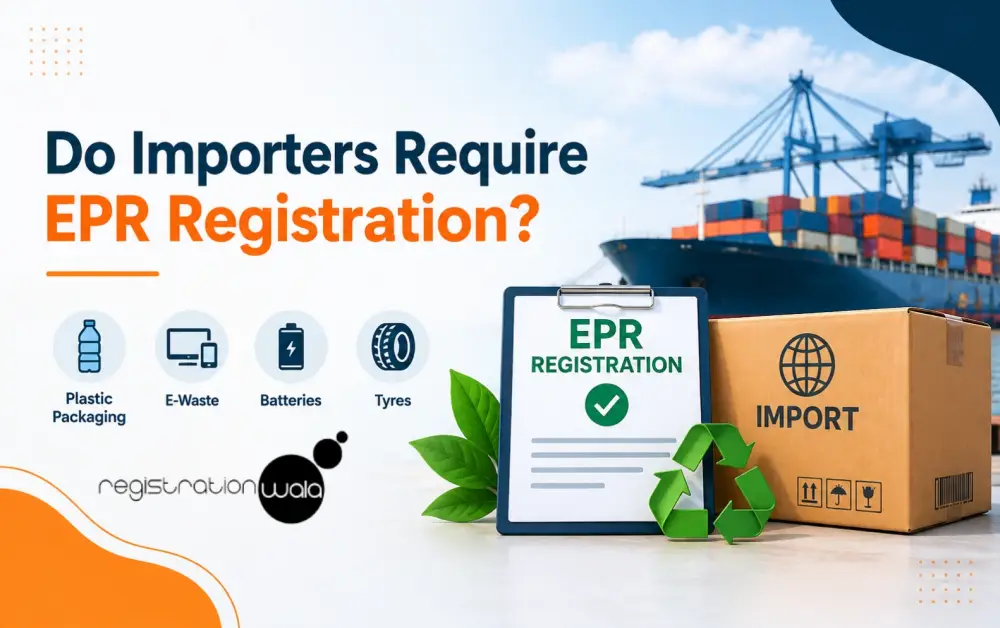
The requirement mainly covers importers dealing with plastic packaging, electrical and electronic equipment, batteries and tyres. Depending on the category, importers may have to register with the concerned authority, meet prescribed collection or recycling targets and use EPR certificates or recycling credits where applicable.
For example, an importer bringing products with plastic packaging into India may have to fulfil EPR obligations based on the type and quantity of plastic introduced into the market. Similarly, importers of electronic equipment and batteries have to ensure that the products or waste are channelled through the prescribed recycling or collection system. In the case of tyres, importers may also have specific recycling obligations based on the quantity imported.
Therefore, EPR certificate registration is not merely a registration formalities for importers. It forms part of their ongoing responsibility to manage the environmental impact of the products they introduce into the Indian market.
Benefits of Obtaining Importer EPR Registration
The importer EPR registration adds certain responsibilities for importers. With that being said, it also offers long-term business and regulatory advantages discussed below:-
-
An EPR Certificate’s primary benefit is that it helps importers meet statutory obligations and reduces the risk of penalties, regulatory action or disruptions to import operations.
-
By securing the EPR import certificate, the businesses showcase that they adhere to the EPR rules and follow responsible waste management practices. Because of this, they are viewed more favourably by customers, partners and investors. The certificate helps them to strengthen overall brand value.
-
EPR registration encourages proper recycling and recovery of materials. It helps importers to reduce waste and use resources in a way that is much more efficient.
-
Many organisations prefer to work with suppliers who adhere to the environmental rules. EPR compliance can therefore help importers access more sustainability-focused markets and business opportunities.
-
EPR certification encourages the importers to take responsibility for the entire lifecycle of the products they introduce into India. Because of this, the importers contribute to a more circular and sustainable economy.
How to Apply for EPR Registration for Importer?
To apply for CPCB EPR registration for importer, the following steps must be fulfilled:-
Step 1:- First, you need to check whether products you import fall under an applicable EPR category, such as plastic packaging, e-waste, batteries, tyres or used oil. If you are not able to figure out category on your own, you can connect with Registrationwala for guidance.
Step 2:- Then, you need to create an account on CPCB CEPR portal and enter your basic business, product and import details.
Step 3:- Upload required documents, such as IEC, GST certificate, product HSN codes, authorisation documents and import details.
Step 4:- Based on applicable rules and quantity of products imported, you may need to meet the prescribed collection and recycling targets.
Step 5:- Partner with authorised recyclers or other approved entities to fulfil your EPR obligations.
Step 6:- After checking your application and documents, the concerned authority issues the EPR Registration Certificate.
Apply for EPR Registration Now
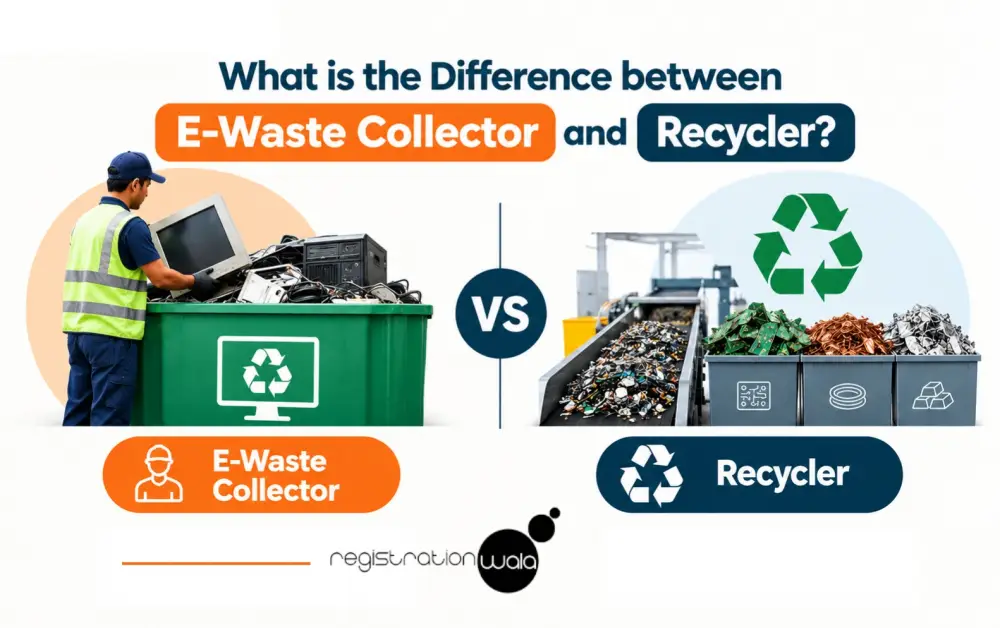
Also Read: What is the Difference between E-Waste Collector and Recycler?
Conclusion
Extended Producer Responsibility registration forms an important part of doing business in India for the importers, when their products come under the applicable EPR rules. It enables them to fulfill their waste management obligations and keeps them on the right side of the law. The process and requirements may vary by product category. So, it is important that the importers know the rules and complete registration very carefully. Proper EPR compliance will help importers to avoid unnecessary regulatory issues and also allow for more responsible business operations.
If you are looking for assistance in getting the EPR Registration for Importers, you can contact our EPR compliance team at Registrationwala. We can assist you in the EPR application process, documentation and other registration requirements to make the process much easier for your business.
Frequently Asked Questions (FAQs)
Q1. Is it mandatory for the importers to obtain EPR Certification?
A. Yes. Importers dealing with products covered under applicable EPR rules, such as e-waste, plastic waste and battery waste, need to obtain extended producer responsibility certification as a mandatory requirement.
Q2. What happens if an importer does not obtain EPR Registration?
A. Not obtaining the registration equals non-compliance and may lead to penalties, regulatory action and delays in import operations. In some cases, it may even affect goods clearance.
Q3. What documents are required for getting EPR Registration for importers?
A. Commonly required documents for the registration include Import Export Code, GST Registration Certificate, PAN card, company incorporation documents, product details along with HSN codes, import quantity details and agreement with authorised recycler/PRO.
|
Disclaimer:- This blog is intended only for general information and educational purposes. While we have taken reasonable care to keep the information accurate and current, rules and requirements may change over time. Readers should check the latest information from official sources before taking any action. This content should not be treated as professional, legal, financial, business or academic advice.
|
-
Published: September 15, 2026
32 Views