With the products flooding the market like a never-ending wave and constant rivalry among competitors, having a unique brand can certainly help a business stand out from the crowd. Proper branding is just as important as maintaining the quality of the product, if not more. This is because customers are more likely to purchase goods or services that catch their attention through effective branding. If your brand fails to leave a lasting impression on the audience, there is a fair chance that your product may not make much impact either.
Therefore, brand registration in India is considered one of the most important steps in building a strong brand identity and surpassing the rivals. What’s more, it helps you avoid legal issues as it grants exclusive rights over your brand name, logo, slogan or symbol and protects it from unauthorized use by others.
In case someone infringes upon your registered brand, then the brand registration will serve as valid legal proof of ownership and help you take appropriate legal action against the infringer. Without registering your brand, you become vulnerable to costly disputes or being sued by someone else who registered the mark before you did.
What is Brand Registration?
Brand registration meaning can be explained as the process where the owner legally protects their business’s unique elements, i.e., business name, logo, slogan or symbol, in accordance with the provisions laid down under Trade Marks Act, 1999. Once the brand is registered, the owner gets exclusive rights to use it. They can take legal action against anyone who copies or uses a similar mark without the required permission. For giving permission to others to use their similar, they can charge royalty and make some extra money.
To register a brand in India, an application needs to be filed by the brand owner with Trade Mark Registry. This is typically done via online mode via official IP India portal. After the registry receives the application you filed, it carefully checks it so as to verify its alignment with the laws and distinctiveness and also checks for conflicts with existing marks. If everything’s in alignment, the brand mark is published in the trade marks journal for 4 months. If no objections are raised during this period, the brand mark is registered and a trademark certificate is issued.
Issuance of trademark certificate implies that the mark is officially registered with the Registry. Brand registration in India comes with an initial validity period of 10 years, counting from the date of application. After this period, the registration can be renewed every 10 years to maintain the legal protection as well as exclusive rights.
Register Your Brand Today
Legal Issues Arising in Absence of Brand Registration
Brand registration should be taken very seriously while building a brand from scratch. The absence of this registration can give rise to several legal issues such as the ones mentioned below:
-
One of the biggest legal issues that can arise due to lack of a brand registration is that your competitors can legally register your brand name or logo before you do it.
-
Lack of registration can weaken your legal position in the court and force you to rebrand your business elements unless you are able to establish prior use of the mark in commerce. Establishing prior use of the marks requires solid evidence and extensive documents, making the whole process pretty difficult. Additionally, legal proceedings can cost a fortune, sometimes even more than the revenue generated through the brand itself, due to lawyer’s fees and other litigation expenses. In trademark infringement cases, plaintiffs may also claim damages worth lakhs or crores of rupees.
-
Without having registered brands in place, businesses may also face passing off claims and unfair competition issues.
-
There is a possibility of receiving cease-and-desist notices from owner of a registered brand mark if they obtain legal rights over a similar or identical prior to you.
-
Businesses without any registered trademarks for their brand can find it legally challenging and exhausting to prove or enforce their intellectual property rights on certain social media platforms and e-commerce sites and struggle to gain new followers and customers.
To avoid the above-mentioned legal issues, it is essential to register your brand in a timely manner.
Importance of Brand Registration for Legal Protection
The importance of brand registration for legal protection can be understood with the below-mentioned points:
-
With brand registration, you get exclusive ownership rights over your brand. So, if any unauthorized party uses your mark or another deceptively similar one, you can initiate legal action against them. The ball will most likely be in your court as the registration certificate serves as strong legal evidence of ownership and grants you statutory protection under the Trade Marks Act, 1999.
-
The registration will work as a deterrent against many potential infringers. When people know that your brand is already registered and legally protected, they are less likely to use a similar mark to avoid facing legal consequences.
-
The registration will make it easier for you to seek remedies such as injunctions, damages or account of profits from those who infringed upon your brand.
-
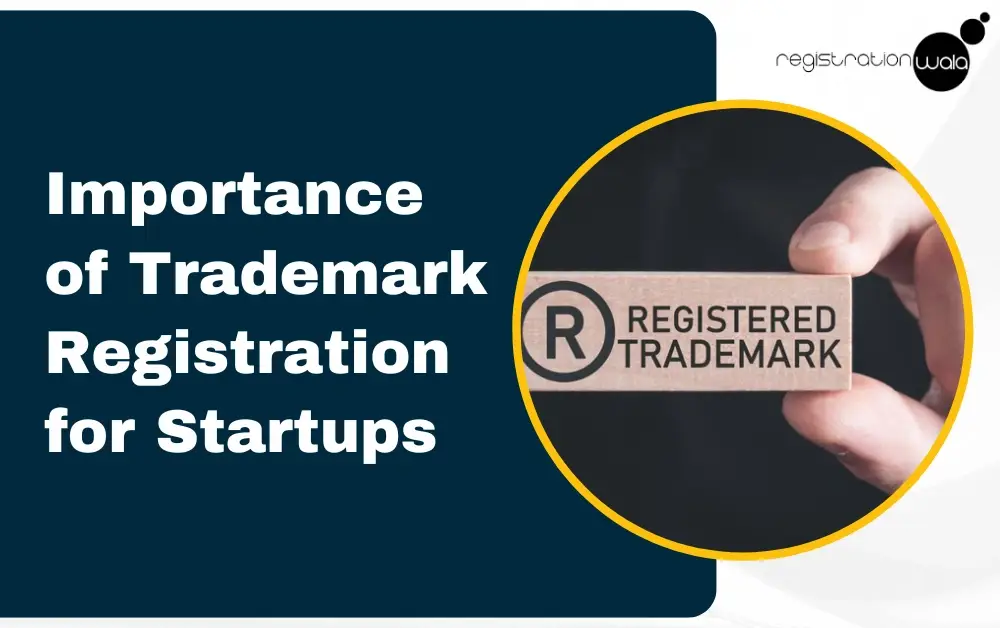
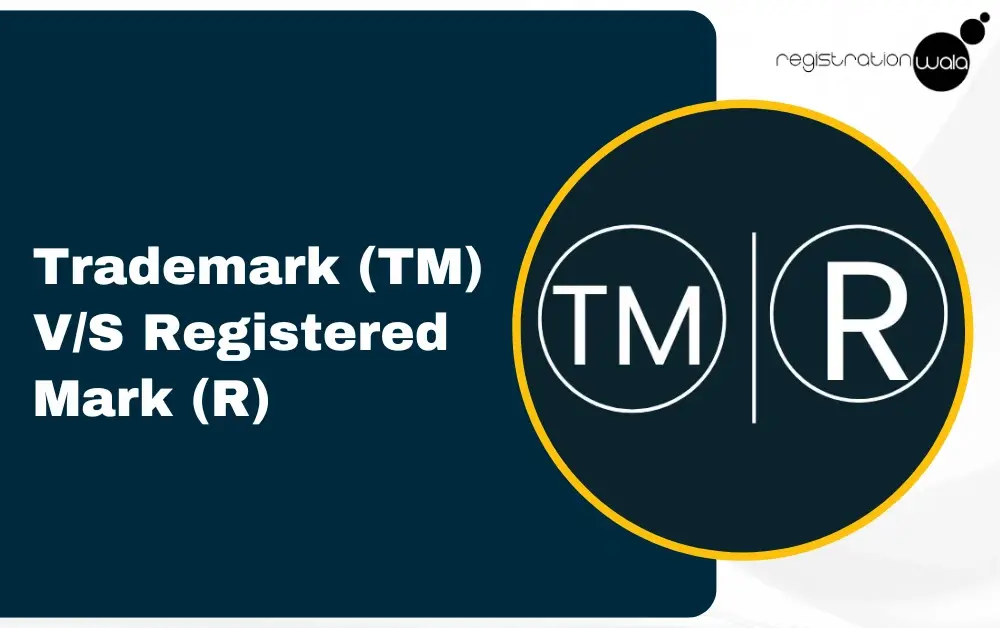
For a registered brand, the owner gets to use the ® symbol. This symbol serves as a public notice that the mark is legally protected and discourages others from misusing it.
Post Registration Tips to Maintain Brand Protection
Protecting the brand requires the brand owner to be proactive at all times. It isn’t a one time measure. Below, we have provided some useful post registration tips to help you maintain brand protection:
-
Use the trademark search tool from time to time to see if anyone has registered a brand similar to yours.
-
Renew the trademark registration in a timely manner. Fulfilling this requirement is paramount to ensuring continuous legal protection for your brand.
-
If you discover anyone using a mark that is deceptively similar to the one you registered, make sure to take the required legal action against them in a timely manner.
-
Apart from securing the domestic brand registration in India, you can consider international brand registration if you intend to expand your business globally. For this, the registration needs to be done via Madrid Protocol. This way you can protect your brand not only in India but also in the international market.
-
If you allow others to use your mark, make sure to have a trademark license agreement with them that states all the terms and conditions for trademark usage. If you openly allow businesses to use your mark without an agreement, they may misuse the trademark or create disputes regarding ownership and usage rights in the future.
Conclusion
After going through this blog post, we’re sure you have clearly understood how important it is to register your brand. Doing so will help you avoid a variety of legal issues, like ones we discussed in this post. It’s best to play safe from the very beginning by registering your brand with the Trademarks Registry in the initial phase of the business or even before officially commencing it. For full fledged assistance in the trademark registration or dealing with infringement or other legal issues pertaining to trademarks, get in touch with IPR experts at Registrationwala.
Frequently Asked Questions (FAQs)
Q1. Which authority registers brands in India?
A. The Trade Marks Registry is the concerned authority that registers all the brands in India under the TMA 1999.
Q2. Which is the primary act for protecting brands in India?
A. For protecting brands in India that are registered with the Trade Marks Registry, the Trade Marks Act of 1999 is the primary Act.
Q3. What is validity of brand registration in India?
A. It comes with an initial validity of 10 years from the date of application. However, after this period, it can be renewed indefinitely for successive 10-year terms so as to ensure continuous legal protection for the brand owner.